
Choosing an exterior color is one of those decisions that feels small until you’re standing in the driveway staring at swatches taped to your siding, wondering if you’ve made a huge mistake. Lately, homeowners have been moving away from the safe beige-and-white combos and leaning into something with a little more personality. Two shades keep coming up in almost every conversation with painters and designers: a dark blue house with black trim and a dark green house with black trim. Both are dramatic, both are timeless, and both can completely transform how a home looks from the street. But they don’t necessarily suit the same house, the same neighborhood, or the same homeowner.
Why Dark, Moody Exteriors Are Having a Moment
There’s a reason paint companies keep rolling out deeper, richer colors every season. A dark blue house with black trim gives off a calm, almost coastal confidence — it works beautifully on Craftsman bungalows, colonials, and modern farmhouses alike. The black trim does more than frame the windows; it sharpens every architectural line, making the whole house look intentional rather than accidental. Meanwhile, a dark green house with black trim leans more grounded and natural, like the home was meant to sit exactly where it is, tucked into trees or surrounded by a garden. Neither choice is trendy in a fleeting sense. Both have roots in historic architecture, which is part of why they photograph so well and age so gracefully.
The Case for Dark Blue
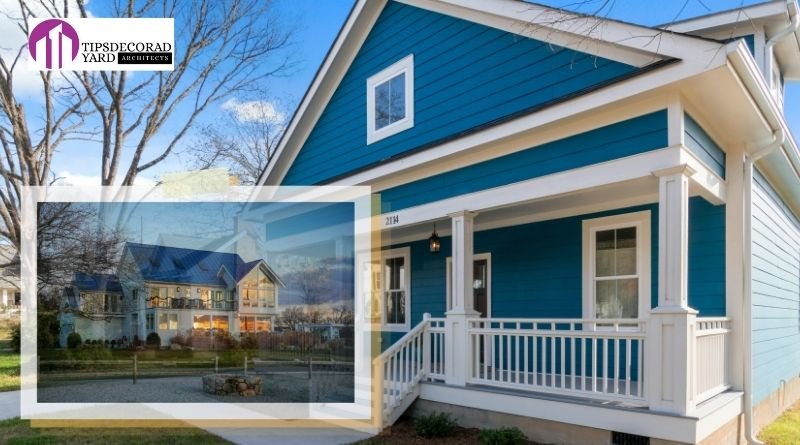
If your home gets a lot of natural light or sits near water, sky, or open space, a dark blue house with black trim tends to feel especially fitting. Navy and deep indigo shades shift subtly throughout the day — appearing almost black at dusk, then revealing a rich blue undertone in full sun. This gives the exterior a layered, high-end look without needing multiple colors. Pair it with black shutters, black gutters, and a black front door, and you get a cohesive, magazine-worthy finish. Lighter accents, like a natural wood porch or cream stone foundation, help keep the overall effect from feeling too heavy.
The Case for Dark Green
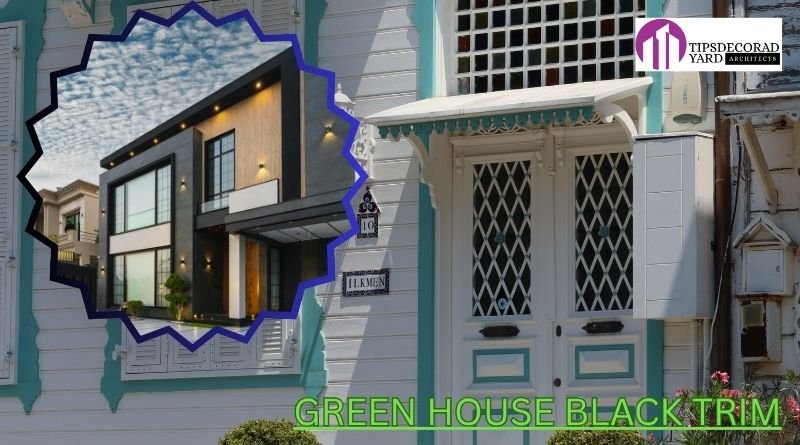
On the other hand, a dark green house with black trim tends to suit properties with more landscaping, mature trees, or a woodsy backdrop. Deep forest, hunter, or olive greens blend into their surroundings rather than fighting them, which is why so many cabins, farmhouses, and cottage-style homes lean this direction. The black trim still does the heavy lifting architecturally, but the green base feels warmer and slightly less formal than blue. It’s an excellent option for homeowners who want their house to feel connected to nature instead of standing apart from it.
Black Trim Is the Common Thread
Whichever color you land on, the black trim is what ties the whole look together. It’s become something of a design shortcut: black window frames, black railings, and black hardware instantly modernize almost any base color. That’s part of why both a dark blue house with black trim and a dark green house with black trim have stayed popular for years rather than fading out like typical trends. The trim creates contrast, definition, and a sense of craftsmanship, even on a relatively simple home.
Making the Final Decision
At the end of the day, the choice often comes down to surroundings and personal taste. Stand outside your house at different times of day, look at the fixed elements you can’t change — roofline, brick, stone, roof color — and imagine both options against them. If you’re drawn to a cooler, more sophisticated feel, go blue. If you want warmth and a connection to the outdoors, green is likely your answer. Either way, black trim will make sure the final result looks polished, purposeful, and unmistakably yours.
You may also like: Decoradhouse Garden Tips by Decoratoradvice