
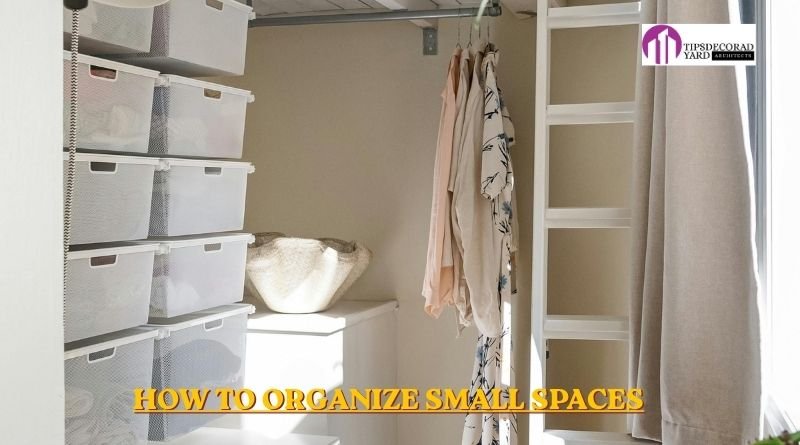
Living in a small apartment or a cozy house doesn’t mean you have to live with clutter. Learning how to organize small spaces is less about buying fancy storage gadgets and more about changing the way you think about the space you already have. With a bit of planning, some creativity, and a willingness to let go of things you don’t need, even the tiniest studio can feel open, calm, and functional.
Why Small Space Organization Matters
When square footage is limited, every inch counts. Clutter that might go unnoticed in a large home becomes impossible to ignore in a compact apartment. Piles of shoes by the door, stacks of mail on the counter, or an overflowing closet can make a small room feel even smaller. That’s why understanding how to organize small spaces isn’t just about aesthetics — it directly affects your mood, your stress levels, and how efficiently you move through your day. A tidy, well-planned space helps you think clearly and feel more relaxed at home.
Start With a Declutter Session
Before you buy a single storage bin, go through your belongings room by room. Ask yourself honestly whether each item is something you use, need, or love. Anything that doesn’t fit those categories should be donated, sold, or thrown away. This step is the foundation of any successful small-space plan because no amount of clever storage can compensate for simply owning too much stuff.
Sort Items Into Categories
Group similar items together — clothing, kitchen tools, documents, electronics — so you can see exactly how much you actually have. This makes it much easier to decide what storage solutions you’ll need and prevents you from buying containers that don’t match your real needs.
Think Vertically, Not Just Horizontally
One of the biggest mistakes people make in tight quarters is only thinking about floor space. Walls, doors, and even ceilings offer valuable real estate. Installing floating shelves, over-the-door organizers, or tall bookcases lets you store more without expanding your footprint.
Use Wall-Mounted Storage
Hooks, pegboards, and magnetic strips are excellent for kitchens, entryways, and workspaces. They keep frequently used items visible and accessible while freeing up counters and drawers for other things.
Choose Multi-Functional Furniture
Furniture that serves more than one purpose is a game-changer when you’re trying to figure out how to organize small spaces efficiently. A bed with drawers underneath, an ottoman that opens for storage, or a dining table that folds against the wall can dramatically increase your usable space without adding bulk.
Look for Hidden Storage Opportunities
Check under stairs, inside coffee tables, and behind doors. These often-overlooked spots can hold seasonal items, extra linens, or rarely used kitchen gadgets, keeping them out of sight but still within reach when needed.
Keep Surfaces Clear
A clean countertop or tabletop instantly makes a room feel larger. Develop a habit of returning items to their designated spots immediately after use rather than letting them pile up. This single habit, more than any product you buy, will keep your small space feeling organized long-term.
Use Clear Containers and Labels
Transparent bins and labeled boxes make it easy to find what you need without digging through everything. This is especially useful in closets, pantries, and bathroom cabinets where similar-looking items can easily get mixed up.
Maximize Closet Space
Add a second hanging rod, use slim velvet hangers, and install shoe organizers on the back of the door. These small adjustments can nearly double your closet’s storage capacity.
Final Thoughts
Mastering how to organize small spaces is an ongoing process, not a one-time project. Revisit your systems every few months, discard what you no longer need, and adjust your storage as your lifestyle changes. With consistent effort, even the smallest home can feel spacious, functional, and truly yours.