
Walk into a home that instantly feels welcoming, and you’ll rarely find it’s the most expensive one on the block. More often, it’s a space where every choice — from the placement of a lamp to the color on a throw pillow — was made on purpose. That sense of intention is exactly what tips decoradyard is built around: practical, budget-friendly guidance that helps everyday homeowners and renters turn ordinary rooms into spaces that actually feel like home.
Rather than chasing whatever look is trending this season, this approach to decoration tips decoradyard focuses on lasting principles — proportion, light, comfort, and personality — that work no matter your budget, square footage, or design experience.
Why a Room-by-Room Approach Works Better
Most decorating advice treats a home as one big project. In reality, every room has a different job to do. A living room needs to host conversation and relaxation at once. A kitchen has to be efficient first and beautiful second. A bedroom’s only real requirement is that it helps you unwind. Breaking decoration down room by room, rather than applying one blanket style to the whole house, makes the process far less overwhelming — and it’s the foundation of good decoration ideas decoradyard relies on.
The Living Room: Designing for Connection
The living room is usually the first space guests see, and the one your household spends the most time in, so it deserves a layout that supports conversation rather than fighting it.
- Anchor the room around a focal point. A fireplace, a media wall, or even a well-placed piece of art gives furniture something to orient around.
- Angle seating toward each other, not just the TV. A slight inward angle on sofas and chairs invites conversation instead of parallel staring at a screen.
- Use a rug to define the seating area. As a general rule, the front legs of your furniture should rest on the rug, which visually “ties” the grouping together.
The Kitchen: Where Function Leads Design

Kitchens reward decisions that reduce daily friction. Open shelving looks appealing in photos but can quickly become cluttered without discipline. A better strategy is to keep counters mostly clear, store frequently used items within easy reach, and reserve decorative touches — a bowl of fruit, a small herb garden, a piece of art on an open wall — for spots that won’t interfere with cooking.
The Bedroom: Prioritizing Calm Over Trends
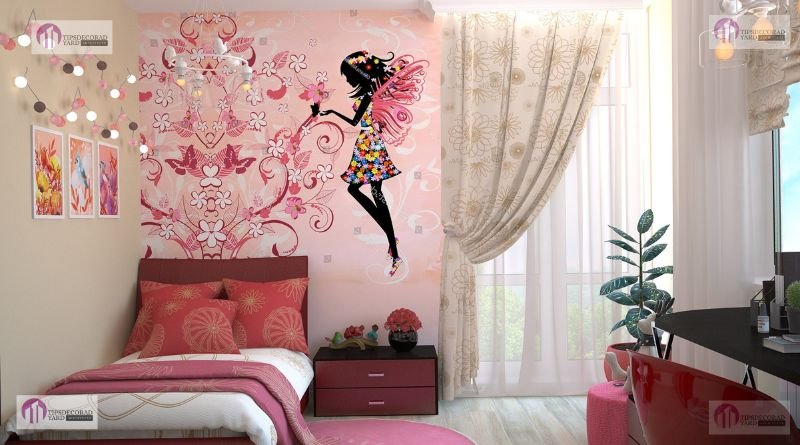
Bedrooms benefit the most from restraint. Soft, muted color palettes, layered bedding in varying textures, and lighting that can be dimmed in the evening all contribute to a room that actually helps you sleep. Blackout curtains, a reading lamp positioned at shoulder height, and decluttered nightstands are small changes with an outsized effect on how restful the space feels.
Home Offices: Built for Focus, Not Just Looks
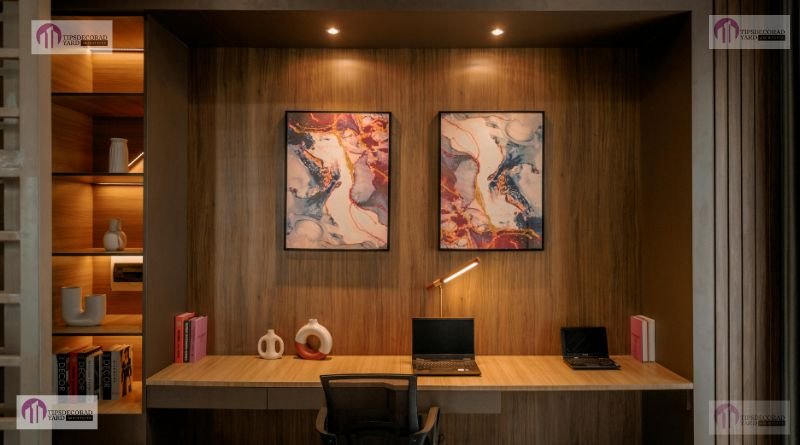
With more people working from home, the office has become one of the most decorated — and most poorly designed — rooms in the house. The best approach borrows from workplace ergonomics first: a desk at the correct height, a chair that supports your lower back, and a monitor at eye level. Only after function is settled should you layer in personality through artwork, plants, or a statement rug.
Core Techniques Behind Every Great Room
Regardless of which room you’re working on, a handful of techniques show up again and again in effective decoration tips decoradyard strategies.
Layer three types of light. A single ceiling fixture almost never flatters a room. Combining ambient light (overall brightness), task light (for reading or working), and accent light (to highlight a shelf, painting, or architectural detail) instantly makes a space feel more finished.
Respect scale before style. A sofa that’s too large for a room will make it feel cramped no matter how well it matches the color scheme. Measure your space, and measure your furniture, before buying anything.
Repeat, don’t match. A cohesive room doesn’t need identical fabrics and finishes throughout. Repeating a single accent color in two or three places — a cushion, a vase, a piece of art — creates unity without feeling matchy.
Edit before you add. Before buying a new decorative item, remove three things from the room. Most spaces improve more from subtraction than addition.
Budget-Conscious Decoration Ideas Decoradyard Recommends
You don’t need a large budget to see a meaningful transformation. Some of the most effective, low-cost updates include:
- Repainting or refinishing existing furniture instead of replacing it — a piece with good bones often just needs new hardware or a fresh coat of paint.
- Rearranging what you already own. Simply moving a sofa away from the wall or swapping the positions of two rooms’ furniture can reveal a better layout at no cost.
- Swapping textiles seasonally. Lightweight linen cushion covers in summer and heavier knit throws in winter keep a room feeling current without a full redecoration.
- Shopping secondhand for statement pieces. Vintage mirrors, side tables, and lighting fixtures often have more character than new mass-produced alternatives — and cost a fraction as much.
- Investing in a few anchor pieces, saving on the rest. Spend where quality matters most (mattresses, sofas, lighting) and save on items you’ll likely want to change again soon (throw pillows, seasonal decor).
Outdoor Spaces: An Extension of the Home
Patios, balconies, and backyards are too often left undecorated, even though they can function as an additional room for much of the year. Defining a clear purpose for the space — dining, lounging, or gardening — makes furniture selection far easier. Layered outdoor lighting, such as string lights combined with low-level path lighting, extends usability into the evening, while durable, weather-resistant textiles keep the space feeling as intentional as any room indoors.
Mistakes Worth Avoiding
Even well-meaning decorating efforts can backfire. The most common missteps include:
- Overcrowding surfaces with too many small decorative objects, which reads as clutter rather than curation
- Blocking natural light with heavy drapery or oversized furniture placed in front of windows
- Buying decor piece by piece without a unifying color or material thread
- Prioritizing how a piece looks over how comfortable it actually is to use
- Skipping storage planning, which causes even well-decorated rooms to feel messy within weeks
Bringing It All Together
Good decorating isn’t about perfection or unlimited budgets — it’s about intention. The most effective tips decoradyard has to offer come down to a simple sequence: understand how each room is actually used, get the lighting and scale right, edit ruthlessly, and only then layer in the personal touches that make a space feel like yours.
Whether you’re refreshing a single room or rethinking your entire home, start small. Rearrange before you buy. Repaint before you replace. And let each space earn its decor by first serving the people who live in it.
I think you need know: Decoration Tips Decoradyard: Seasonal Ideas to Refresh Your Home All Year Round

1 thought on “Tips Decoradyard: A Room-by-Room Guide to Smarter, More Stylish Living Spaces”